How to Prove Ownership Without Receipts for Insurance Claims
Lost your receipts? Learn 7 alternative ways to prove ownership for insurance claims, including photos, bank statements, and warranty records.
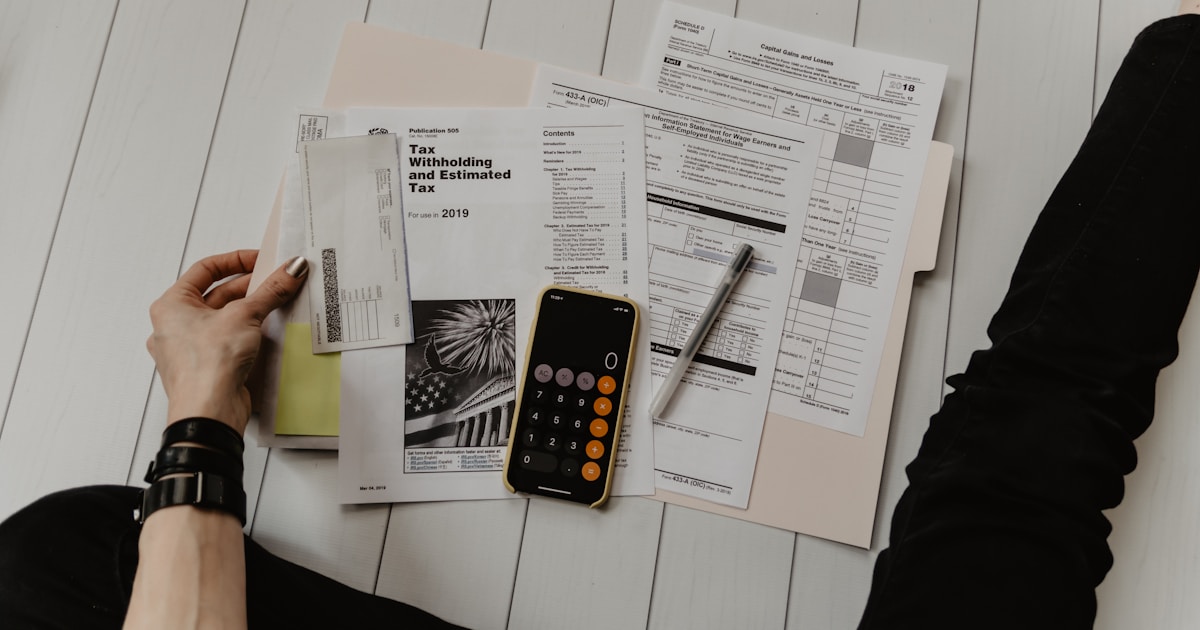
Your home was burglarized. Or there was a fire. Now you’re filing an insurance claim, and the adjuster asks: “Do you have receipts for these items?”
You don’t. Almost no one does.
The good news: you don’t necessarily need original receipts to file a successful insurance claim. Here are seven alternative ways to prove ownership and get the compensation you deserve.
Why Proof of Ownership Matters
Insurance companies aren’t trying to deny legitimate claims—but they need evidence. Without some form of documentation:
- Claims take longer to process
- Payouts are often reduced
- You may receive actual cash value instead of replacement cost
- Some items may be denied entirely
The more evidence you can provide, the smoother your claim and the better your payout.
7 Ways to Prove Ownership Without Receipts
1. Photos and Videos
This is often your strongest alternative evidence.
What works:
- Old photos showing items in your home
- Social media posts with items visible
- Real estate listing photos (if you bought recently)
- Video walkthroughs or home tours
- Holiday photos showing gifts
- “Unboxing” videos you may have made
Tips:
- Check your phone’s photo library—items appear in backgrounds
- Search social media history (Instagram, Facebook)
- Ask family members for photos taken at your home
- Check cloud backups (Google Photos, iCloud)
Why it’s effective: Photos with timestamps and location data create compelling evidence that you owned specific items in your home.
2. Bank and Credit Card Statements
Financial records prove you purchased items even without the physical receipt.
What to gather:
- Credit card statements showing the merchant and amount
- Bank statements with debit purchases
- Online shopping order history (Amazon, Target, etc.)
- PayPal or Venmo transaction records
- Financing agreements (for furniture, appliances)
How to access:
- Log into online banking portals
- Request statements from your bank (most keep 7+ years)
- Check email for order confirmations
- Download purchase history from retailer websites
Pro tip: Even if the statement doesn’t show exactly what you bought, “Best Buy - $1,299.99” combined with a photo of your TV creates strong evidence.
3. Warranty Registrations and Product Documentation
If you registered a product for warranty, there’s a record.
Check for:
- Warranty registration emails
- Product registration cards (you may have photos)
- Extended warranty purchases
- Manufacturer account portals
- AppleCare, Samsung Care, etc. registrations
What this proves:
- You owned the specific product
- The purchase date
- Sometimes the purchase price
- Serial numbers (especially valuable for electronics)
4. Serial Numbers and Model Information
Serial numbers definitively link you to specific items.
Where to find them:
- Product packaging (if you still have boxes)
- Previous photos showing labels
- Emails from retailers with product details
- Manufacturer accounts
- Router admin pages (for network devices)
- “Find My” apps (Apple, Samsung, Google)
Pro tip: Take screenshots of your “Find My” device lists now—they show serial numbers, purchase dates, and prove ownership.
5. Appraisals and Valuations
For high-value items, professional appraisals carry significant weight.
Items often appraised:
- Jewelry and watches
- Art and antiques
- Collectibles (coins, stamps, memorabilia)
- Musical instruments
- Firearms
- High-end electronics or equipment
If you don’t have a pre-loss appraisal:
- Contact the original seller
- Reach out to specialists who can provide post-loss valuations
- Use comparison sales data
- Get expert opinions in writing
6. Witness Statements
People who saw your belongings can provide supporting evidence.
Good witnesses:
- Family members
- Friends who visited regularly
- Neighbors
- Service providers (housekeepers, contractors)
- Moving companies
What to include:
- Written statement describing the item
- How they know you owned it
- Approximate value if known
- Their contact information
- Signature and date
Note: Witness statements alone are rarely sufficient, but they strengthen other evidence.
7. Other Documentation
Additional records that can help:
- Owner’s manuals (with registration filled in)
- Shipping receipts and tracking
- Gift receipts from the giver
- Insurance riders you previously added
- Previous insurance claims with item lists
- Tax records (home office deductions, etc.)
- Rental or service agreements (showing items listed)
- Permits (for home improvements, installations)
What Insurance Adjusters Actually Accept
Every insurer is different, but here’s general guidance:
Usually Accepted Without Question
- Photos with clear timestamps
- Credit card statements matching item type
- Manufacturer warranty registrations
- Professional appraisals
- Serial numbers matching registered products
Usually Accepted with Supporting Evidence
- Bank statements (need additional context)
- Witness statements (need corroboration)
- Online purchase history
- Email order confirmations
May Face Scrutiny
- Verbal claims only
- Estimates from memory
- Claims significantly higher than comparable items
- Items without any supporting evidence
How to Present Your Evidence
Organization matters. Submit your claim professionally:
1. Create an itemized list:
Item: 65" Samsung QLED TV
Description: Samsung QN65Q80C, purchased Dec 2024
Evidence: Best Buy credit card statement ($1,499.99),
         photo from living room (dated March 2025),
         Samsung account registration (S/N: XXX)
Replacement Cost: $1,599.99 (current Best Buy price)
2. Compile all evidence:
- Group by item
- Include copies of all supporting documents
- Add current replacement cost research
3. Submit clearly:
- Use the insurer’s preferred format
- Keep copies of everything you submit
- Follow up in writing
What to Do If Your Claim Is Denied
If your claim is denied or underpaid due to lack of proof:
1. Request a written explanation Ask specifically which items were denied and why.
2. Gather additional evidence Now that you know what’s questioned, dig deeper.
3. File an appeal Most insurers have formal appeal processes.
4. Consider professional help
- Public adjusters work on your behalf
- Insurance attorneys handle disputed claims
- State insurance commissioners mediate disputes
Prevention: Document Everything Now
The best time to gather evidence is before you need it.
Start today:
- Use a home inventory app like Dib to photograph and document everything
- Capture serial numbers for electronics and appliances
- Store receipts digitally when you make purchases
- Take annual video walkthroughs of your home
- Back up everything to the cloud so it survives disasters
What to photograph:
- Items from multiple angles
- Labels with brand/model information
- Serial number stickers
- Inside drawers and closets
- Garage and storage areas
- High-value items with detail shots
An hour of documentation now can save thousands in a claim later.
Frequently Asked Questions
How long do I have to file a claim?
Most policies require “prompt” notification—typically within days of discovering a loss. However, you usually have longer to submit full documentation. Check your policy for specific deadlines.
Will my claim be denied without receipts?
Not necessarily. Adjusters expect that most people don’t keep receipts for everything. Alternative documentation is standard practice. Your claim may be reduced if you can’t prove value, but rarely denied entirely for lack of receipts.
Can I estimate values from memory?
Yes, but estimates alone often result in actual cash value (depreciated) payouts rather than replacement cost. The more evidence you provide, the closer you’ll get to full replacement value.
What if the item was a gift?
Gifts are still your property. Try to get:
- A statement from the gift giver
- Any original receipts they kept
- Photos of you with the gift
- Warranty registration in your name
Should I inflate values since I don’t have receipts?
Absolutely not. Insurance fraud is a felony. Claim honest values and provide whatever evidence you have. Exaggerated claims can result in denial of your entire claim—and potentially criminal charges.
The Bottom Line
Missing receipts shouldn’t stop you from filing a successful insurance claim. With photos, financial records, serial numbers, and other documentation, you can build a compelling case.
But the easiest path is prevention. Spend an afternoon documenting your belongings now—before you need to prove what you owned.
Dib makes this easy with AI-powered scanning, automatic value estimates, and cloud backup that survives any disaster. Your future self will thank you.
Related: What Happens Without a Home Inventory? | How to Create a Home Inventory for Insurance

Try Dib
The AI-powered home management app we built. It remembers everything so you don't have to.
- AI-powered inventory scanning
- Automatic maintenance reminders
- Document storage & extraction
- Vehicle tracking
- Emergency preparedness
Related Articles

How to Create a Home Inventory for Insurance Claims (2026 Guide)
A complete step-by-step guide to creating a home inventory that will protect you financially and maximize your insurance claims.

Home Inventory After Fire or Flood: Recovery Checklist
What to do when disaster strikes. This recovery guide helps you navigate insurance claims and rebuild after fire, flood, or other catastrophic events.

Complete Moving Inventory Checklist (2026): Protect Your Belongings
The ultimate moving inventory checklist to protect your belongings, document condition before movers arrive, and ensure nothing gets lost.
Found this helpful?
Get more home management tips and guides delivered to your inbox.
No spam, ever. Unsubscribe anytime.