Document Organization for Homeowners
The complete guide to organizing, storing, and accessing all your important home documents—from warranties to tax records.
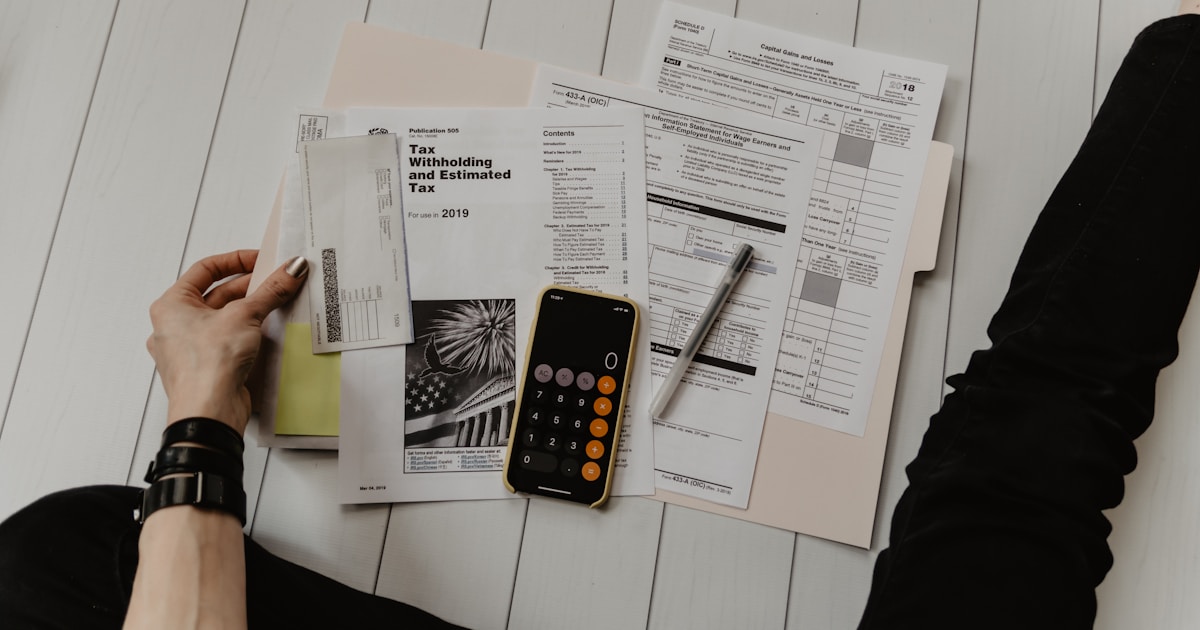
Can you find your water heater warranty in under 60 seconds? Do you know where your home inspection report is? If not, it's time to get your home documents organized.
Essential Home Documents
Every homeowner should have these documents organized and accessible:
Property Documents
- Deed — Proof of ownership
- Title insurance policy — Protects against title defects
- Survey — Property boundaries and dimensions
- Home inspection report — Baseline condition documentation
- Closing documents — HUD-1 or closing disclosure
Insurance & Financial
- Homeowners insurance policy — Current coverage details
- Mortgage documents — Loan terms and payment info
- Property tax records — Payment history
- HOA documents — Rules, fees, and contacts
Appliances & Systems
- Warranties — For all major appliances and systems
- Manuals — Operating instructions and specifications
- Purchase receipts — Proof of purchase for warranty claims
- Service records — History of repairs and maintenance
Home Improvements
- Permits — For any permitted work
- Contractor information — Contracts and contact info
- Before/after photos — Documentation of changes
- Receipts — For tax and resale purposes
Creating Your Organization System
Option 1: Dedicated Home Management App (Recommended)
The easiest and most effective solution is a purpose-built app like Dib that handles document storage alongside your home inventory.
Benefits of using Dib for documents:
- AI extraction — Automatically pulls key info from warranties and receipts
- Connected to inventory — Documents linked to specific appliances/items
- Warranty alerts — Get notified before warranties expire
- Always accessible — Cloud storage means access from anywhere
- Search everything — Find documents by keyword, date, or item

Organize your home documents the smart way
The AI-powered home management app we built. It remembers everything so you don't have to.
- AI-powered inventory scanning
- Automatic maintenance reminders
- Document storage & extraction
- Vehicle tracking
- Emergency preparedness
Option 2: Cloud Storage + Folders
If you prefer a DIY approach, create a structured folder system in Google Drive, Dropbox, or iCloud:
Home Documents/
├── Property/
│   ├── Deed
│   ├── Title Insurance
│   ├── Survey
│   └── Inspection Report
├── Insurance/
│   ├── Homeowners Policy
│   └── Claims History
├── Mortgage/
│   └── Loan Documents
├── Appliances/
│   ├── Kitchen/
│   ├── Laundry/
│   ├── HVAC/
│   └── Water Heater/
├── Improvements/
│   ├── 2024 Kitchen Remodel/
│   └── 2025 Roof Replacement/
└── Tax Documents/
    ├── 2024/
    └── 2025/
The downside: This requires manual organization, doesn't extract information, and won't alert you to warranty expirations.
Digitizing Paper Documents
For the best results when scanning documents:
- Use a scanner app — Phone cameras with apps like Adobe Scan or the built-in iPhone scanner work great
- Name files clearly — Include date, item, and document type (e.g., "2024-01-15_Refrigerator_Warranty.pdf")
- Capture all pages — Don't skip terms and conditions
- Check quality — Ensure text is readable
- Back up immediately — Don't keep only local copies
Warranty Tracking
Warranties are only valuable if you use them—and most people forget about warranties until it's too late.
For effective warranty management:
- Record purchase dates — When does coverage end?
- Note coverage terms — What's actually covered?
- Save contact info — Who do you call for service?
- Set expiration reminders — Consider extended warranties before standard ones expire
- Keep receipts — Most warranties require proof of purchase
Dib handles all of this automatically when you upload warranty documents—it extracts the key information and sets up appropriate reminders.
Creating an Access Strategy
Consider who needs access to your documents and when:
- Everyday access — Manuals and warranties you reference regularly
- Emergency access — Insurance policy, emergency contacts
- Family access — Spouse, trusted family members should know where documents are
- Professional access — Contractors may need specifications or previous work records
Cloud-based solutions with sharing features (like Dib's family sharing) make this much easier than physical filing systems.
Frequently Asked Questions
How long should I keep home documents?
Keep tax-related documents for 7 years. Home improvement records should be kept as long as you own the home (they affect your cost basis). Warranties should be kept until they expire. Insurance policies and property records should be kept permanently.
Should I keep paper copies or go fully digital?
We recommend a hybrid approach: digitize everything for easy access and backup, but keep original copies of deeds, titles, and other legal documents in a fireproof safe or safety deposit box.
What's the best app for organizing home documents?
Dib is our top pick because it combines document storage with AI-powered extraction—it reads your warranties and receipts and pulls out the important information automatically. Plus, it connects documents to your home inventory.
How do I organize appliance manuals?
The best approach is to download digital manuals from manufacturer websites and store them in a dedicated app. Physical manuals can be discarded once you have digital copies. Dib can extract key information from manuals automatically.
Getting Started
- Choose your system — We recommend Dib for its automation
- Start with essentials — Property documents and insurance first
- Add as you go — Upload new documents immediately after receiving them
- Schedule a scan day — Block time to digitize your paper backlog
- Maintain monthly — Quick review to file any loose documents
Try Dib
The AI-powered home management app we built. It remembers everything so you don't have to.
- AI-powered inventory scanning
- Automatic maintenance reminders
- Document storage & extraction
- Vehicle tracking
- Emergency preparedness
Stay Updated
Get notified when we update this guide or publish new home management content.
No spam, ever. Unsubscribe anytime.